The evolution of corporate architecture has been significant, adapting to the demands of an office market that demands sustainability and efficiency. What companies request today goes far beyond functional buildings, they are looking for – and need – spaces they can identify with and which show their commitment to both the environment and the wellbeing of their team.
But how did we get here, and what does it really mean to have a ‘high performance’ building? In our latest guest blog, TTS The Tenant Solution takes a closer look...
Until fairly recently, you could be forgiven for thinking most offices were offices were dull, closed spaces with endless rows of desks, little natural light – and even less character. In response came open-plan spaces – encouraging collaboration and flexibility among the team. Now, as the trend continues, we are going even further.
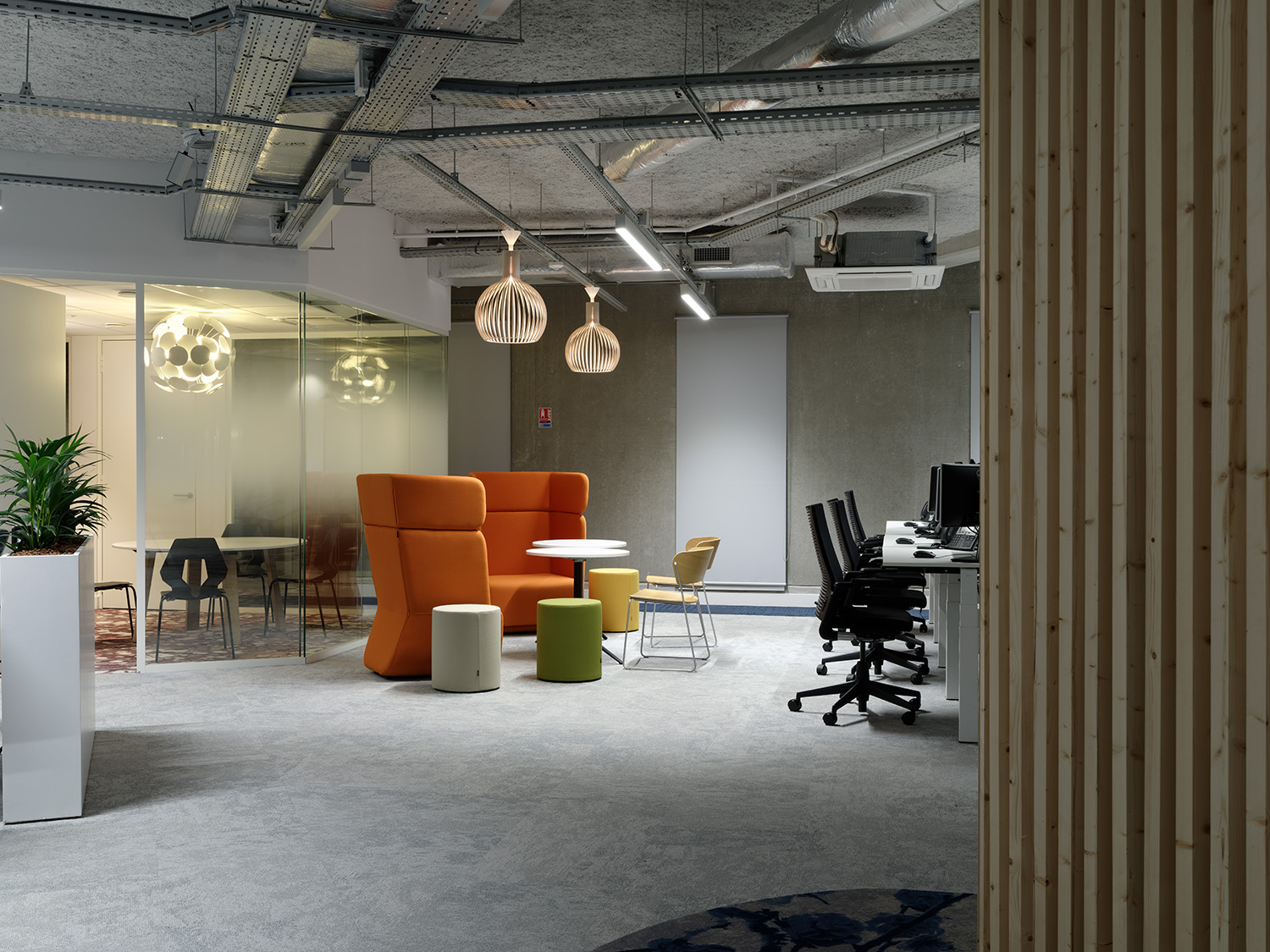
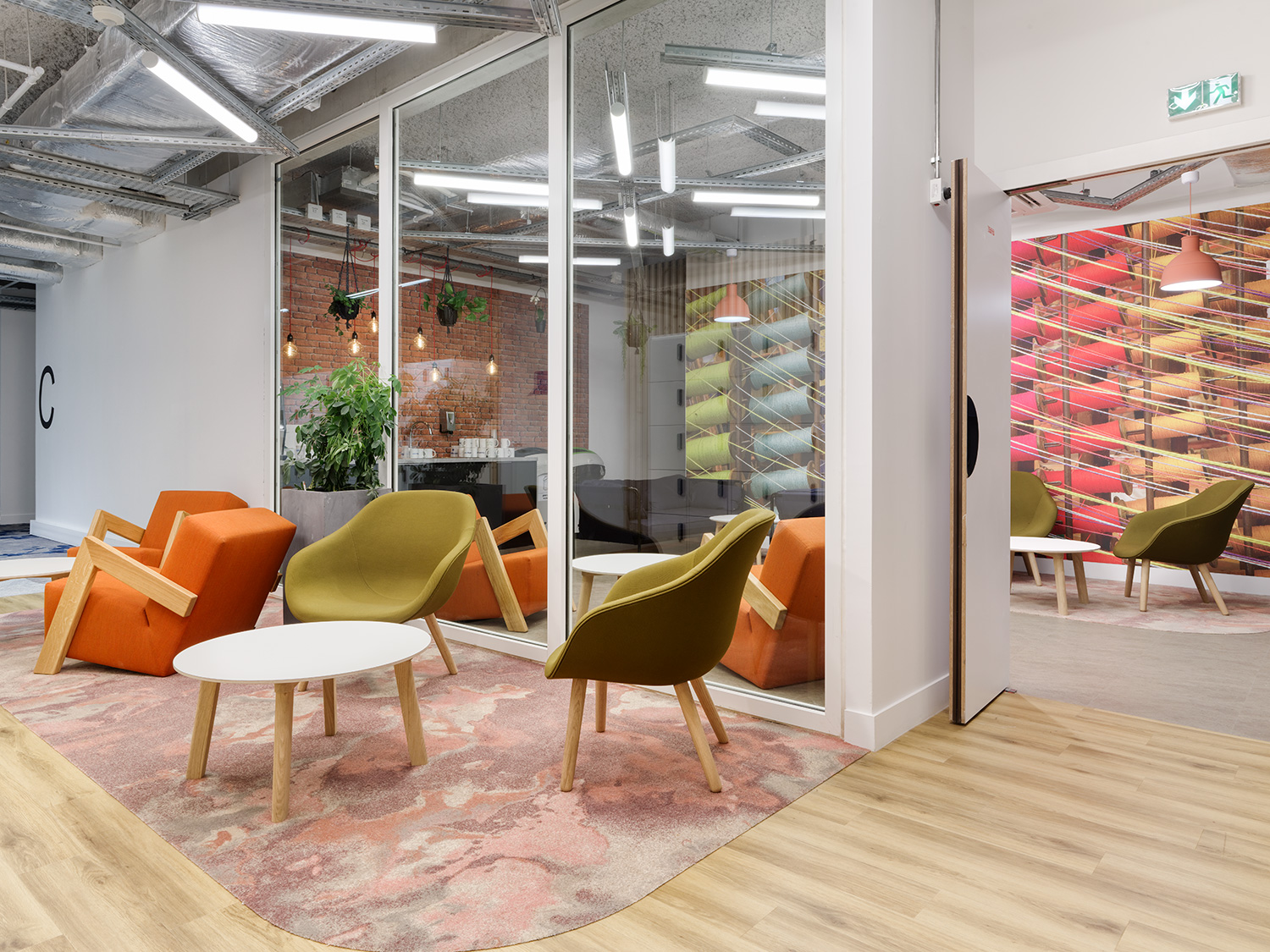
Take a recent project from Parella España as an example. The team has remodelled several floors of the Agbar Tower in Barcelona for a technology company. The project included the creation of flexible spaces and socialising areas for employees, technological upgrades and the use of sustainable materials.
It sounds good, but implementing these changes is not easy and brings its own challenges.
The fact is that today's technological evolution, coupled with changing employee expectations, force companies to innovate all the time if they want to be competitive. But how do we integrate sustainability into this picture?
When we mention sustainability in architecture, we quickly think of designs that reduce or mitigate environmental impact and promote human well-being. But sustainability is not just about incorporating solar panels or recycling materials, it is a philosophy that influences every decision in the design and operational process.
Embrace ecological materials by using recycled or sustainably sourced materials to reduce the ecological footprint of your building. For example, the Iberdrola Tower in Bilbao used recycled materials in its construction and stands out for its energy-saving capacity thanks to the amount of natural light it receives, reducing the need for electricity.
Introducing systems that reduce office consumption, such as LED lighting, quality thermal insulation, and renewable energy solutions reduces dependence on fossil fuels while achieving considerable savings in the long term – including lower operating costs, improved corporate image, and fulfilling your obligations around social responsibility.
When we talk about ‘high performance’ buildings, they are structures designed to optimise resources and maximise functionality. But what does this mean in practice?
A clear example of high-performance corporate architecture is the One World Trade Center (Freedom Tower) in New York. The building's sustainable design strategies – including water and energy efficiency – exceed the criteria for LEED CS Gold certification. The tower features an advanced smart management system that optimises energy consumption and indoor air quality, using data collected by thousands of sensors.
The integration of emerging technologies is key to this process. Automation systems that adjust lighting and climate control according to occupancy, smart materials that react to environmental conditions and electric mobility solutions are some of the innovations that are shaping the future of corporate architecture.
A sustainable, high-performance office goes beyond its physical structure; it is a statement of principles. On the one hand it demonstrates the company's values to the market and on the other hand it becomes an important differentiating element.
Customers and employees view companies that prioritise their commitment to the environment and the well-being of their employees in a positive light, and we know that well-designed spaces increase productivity, improve job satisfaction and can reduce costs in the long run. In addition, adopting sustainable practices can open up new business opportunities, attract talent and strengthen customer loyalty.
So, transforming corporate architecture is not just a trend, it’s a necessity.
And that's why companies around the world are adopting more efficient, sustainable and adaptable spaces to enhance their teams' experience and reinforce their brand identity. If you're looking to integrate sustainability and high performance into your workspace, now is the time to act. Contact us and find out how we can help you create an office that reflects your company's values and enhances its performance.
careers@agilitesolutions.com
FR +33 (0) 1 88 61 81 31
UK+44 (0)7 506 403 069
IT +39 (0) 350 9646921
LUX +352 (0) 621 481 103



"*" indicates required fields