en
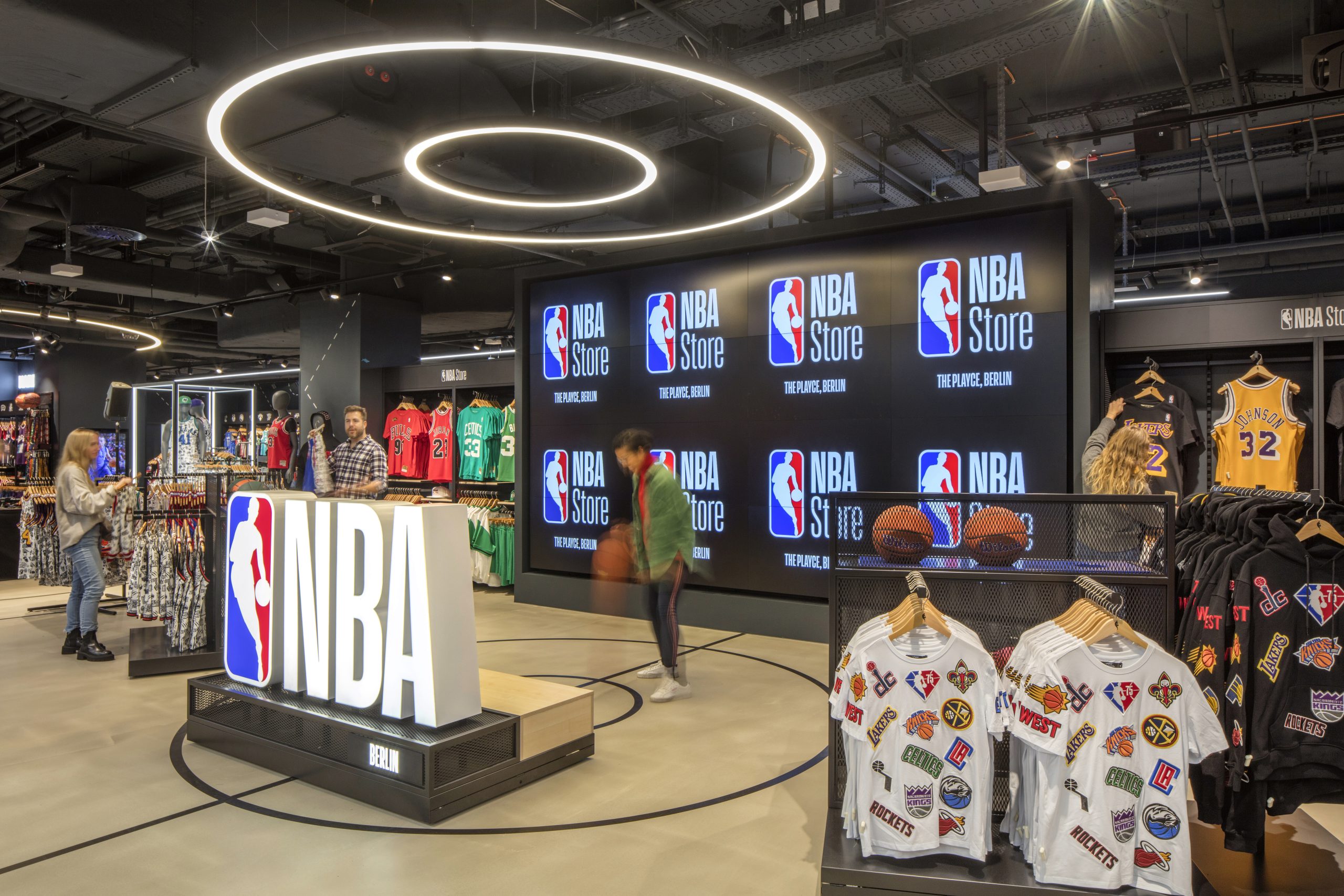
For an international brand, opening in a new city means working out how to deliver a familiar experience in an unfamiliar setting. Local regulations, suppliers and the building itself all have a bearing on what can be achieved, and how.
A customer walking into a store in Madrid, Paris, Milan or London should recognise the brand. The design, quality and experience need to feel familiar, and the space needs to meet the same operational requirements. Getting there, though, can involve quite different decisions. Carlos Gonzales, country head for Agilité in Spain, explains why international experience needs to be backed by local knowledge.
When you work across different markets, you soon learn which assumptions you need to question. Regulations, approvals, landlords and ways of working vary, as do the contractors and suppliers available to you. Even within one country, experience in one city won’t give you all the answers in another.
Retail is a good example. A brand may arrive with a well-established store concept, detailed technical standards and a delivery approach that has worked elsewhere. Those are useful starting points, but there is still work to do to understand how they fit the building and the local market.
An existing historic structure might call for changes to the design. Local regulations can affect materials, fire strategy, accessibility and technical systems. The landlord may have specific requirements, while access, working hours and delivery restrictions will all influence the programme. You also need to check whether the specified products and suppliers are available locally.
That doesn’t necessarily mean changing what the client wants to achieve. It does mean understanding which details are essential to the concept and where a different approach might be needed. A local delivery team has to work through those decisions without losing the design intent, while making sure the project can be built and meets local requirements.
Knowing what to ask early on
Much of that work starts with fairly practical questions. How long are approvals likely to take? Is a specified material readily available? Are there city-centre delivery restrictions to plan around? What does the landlord need, and where will specialist local expertise be required?
Asking during preconstruction gives the team time to work through the answers, rather than trying to resolve them once work has started. On a tight programme, even a small assumption can cause problems later.
For a client entering a market for the first time, some of these requirements will be unfamiliar. Saying “that’s how things are done here” isn’t particularly helpful. We need to explain why, what it means for the project and what the options are.
Knowing who to work with
There’s also the supply chain to consider. Building relationships with local contractors and suppliers takes time, and choosing the right partners involves more than comparing tender prices.
You need to know who has the relevant experience, can meet the programme and understands the quality expected. It also helps to know how they work with others when plans change. For an international client that may not have those relationships locally, this is an important part of what a delivery partner brings.
At Agilité, we work with trusted local suppliers and draw on the experience of colleagues across our European business. There is plenty we can learn from projects in other countries, provided we take the time to check whether the same approach makes sense locally.
Madrid and Barcelona need their own approach
Here in Spain, our retail activity has included opportunities in both Madrid and Barcelona. The properties, logistics and people involved can differ considerably between the two. Agilité’s experience elsewhere in Europe is useful, but growing our business here means building local relationships and showing what we can do, project by project.
Clients need confidence in both. They want a contractor who understands their expectations and has dealt with similar challenges before. They also need to know that the team understands what delivering those expectations will involve in this particular city.
That’s why working consistently across countries shouldn’t mean imposing an identical delivery process everywhere. Standards for quality, communication, safety, customer experience and accountability should stay the same. Local teams need the knowledge and autonomy to decide how best to meet them in their market.
The same applies beyond retail. An office client moving into a new European city will have similar questions about buildings, regulations, procurement and suppliers. Hospitality operators, too, need to adapt to local technical and regulatory requirements while keeping the guest experience consistent.
In each case, our job is to help the client understand what their plans will involve locally. Alongside the programme and specification, there are some straightforward questions we should be helping them answer:
For me, a good delivery partner should be able to explain where experience from another market will help, and where something different is needed. That means taking the time to understand the place, the people and the practicalities of the project, rather than assuming we already have the answers.
careers@agilitesolutions.com
FR +33 (0) 1 88 61 81 31
UK+44 (0)7 506 403 069
IT +39 (0) 350 9646921
LUX +352 (0) 621 481 103
DE +49 30 2239 9548 83



"*" indicates required fields