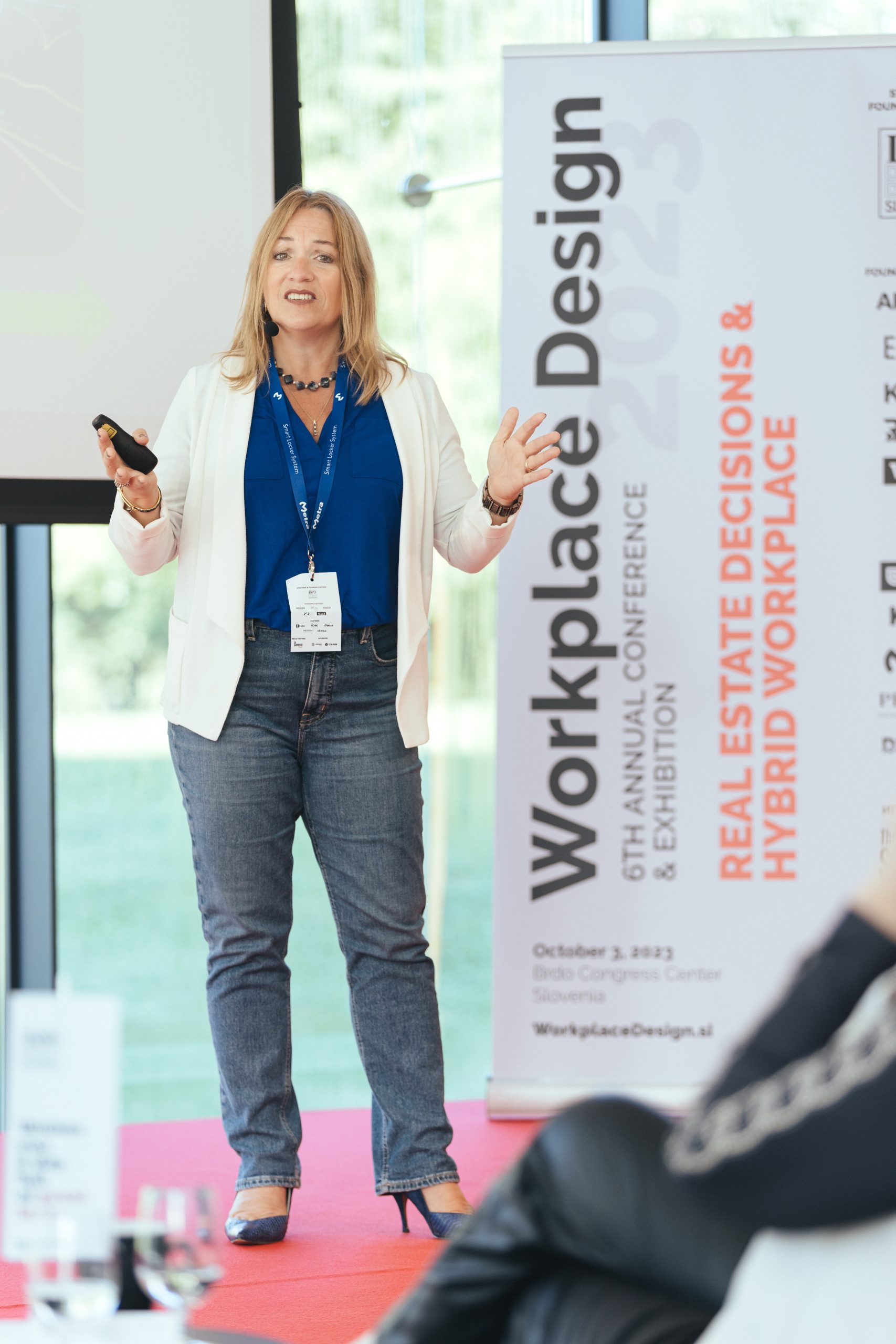
After meeting Jennifer Bryan at a networking event in the summer, we were intrigued by her experience and insight when it comes to managing change. A consultant and thought leader in the space, Jennifer helps brands to create people-centric change – building resilience and learning how to adapt in an unpredictable world – and we thought we’d invite her to share a recent article, on our site.
When most people talk about keeping “the end in mind” during change, they’re usually referring to the big-picture vision: the end state, the optimum goal, the shining success story. But for me, it’s different. My focus is always on the person at the receiving end of the change – the employee who has to live it day-to-day. Let’s call them Sam in Norwich or Jane in Tay.
Sam and Jane are not in the project room. They’re not mapping dependencies or building strategy decks. Yet they are the ones who will feel the full impact of the change. The real question is ‘how will they experience it? What will they see, hear, and feel as it lands in their world?’
Here’s the reality: the way Sam and Jane experience the change will ultimately decide if it succeeds. They’re the ones who need to shift h
abits, mindsets, and behaviours. If they can’t connect with the change or don’t buy into it, adoption won’t stick. At best, you’ll get a short-term shift before people quietly revert back to old patterns – because that’s easier, more familiar, and less demanding.
So what does it mean to approach change with the end in mind from a people perspective? It means taking time to understand what Sam and Jane actually do today, how they work, and what will be different for them tomorrow. Most change initiatives run this gap analysis at an organisational level, but rarely from the perspective of individuals or teams. And that’s where the real insight lies.
When we view change through this lens, we design with empathy. We remember that most employees haven’t lived the project like the change team has. They don’t have months of context, detail, or rationale. They’re coming to this new reality fresh – and possibly with uncertainty or concern. Keeping Sam and Jane in mind keeps us honest: it ensures the messages, the activities, and the timing are not just organisationally right but humanly right.
That’s when change becomes easier to absorb, quicker to adopt, and far more likely to last.
So next time you’re building your change plans, don’t just think about the end goal. Think about Sam and Jane. Put people at the heart of your planning. Because when you approach change with the human end in mind, success becomes truly sustainable.
Jennifer L. Bryan | PeopleFirst Change Leader & Global Speaker
careers@agilitesolutions.com
FR +33 (0) 1 88 61 81 31
UK+44 (0)7 506 403 069
IT +39 (0) 350 9646921
LUX +352 (0) 621 481 103



"*" indicates required fields