
Some of the world’s most recognisable retail businesses have grown from Spain, but the more interesting story isn’t simply their size or international reach, it’s how they are continuing to rethink what the physical store is for.
For years, conversations about the future of retail have tended to begin with the same question: ‘how can physical stores compete with e-commerce?’ It’s an understandable place to start, but perhaps no longer the most useful one.
Online shopping has an obvious advantage when it comes to convenience. It can offer speed, choice and access at almost any hour, without asking the customer to travel. Trying to recreate that experience inside a store risks overlooking the very qualities that make physical retail valuable in the first place.
Spain’s retail sector offers a useful view of a much wider shift. Rather than positioning the store as a response to online shopping, retailers are giving it a distinct purpose: building the brand, creating community, understanding customer behaviour and connecting digital journeys with physical products and services.
Home to international groups such as Inditex, alongside a broad mix of fashion, lifestyle and specialist brands, Spain is a useful vantage point from which to examine how that distinct role is developing.
A store can put a product into someone’s hands, offer advice in real time, create an atmosphere and turn a brand from something viewed on a screen into somewhere a customer has actually been. The retail experience should not be reduced to entertainment or eye-catching technology; at its best, it gives the store a clearer purpose.
Technology is becoming a more familiar part of the store journey, from smart fitting rooms and interactive displays to virtual try-ons, product information and better links between online and in-store stock. But the presence of technology does not automatically make a store more useful or memorable.
The real test is whether it improves the customer’s experience. Does it answer a question more quickly? Does it make a product easier to understand? Does it connect an online search with an in-store visit? Or does it simply ask the customer to navigate another screen?
When it works well, technology does more than make the journey easier. It can show retailers how people use the store, where online and in-store journeys connect and which parts of the environment encourage customers to pause, experiment or return.
For delivery teams, this means technology cannot be treated as a decorative layer added at the end. Power, data, lighting, acoustics, security, maintenance access and the relationship between digital installations and the rest of the customer journey all need to be considered early. After all, the most effective technology may be the technology the customer barely notices, because it simply works.
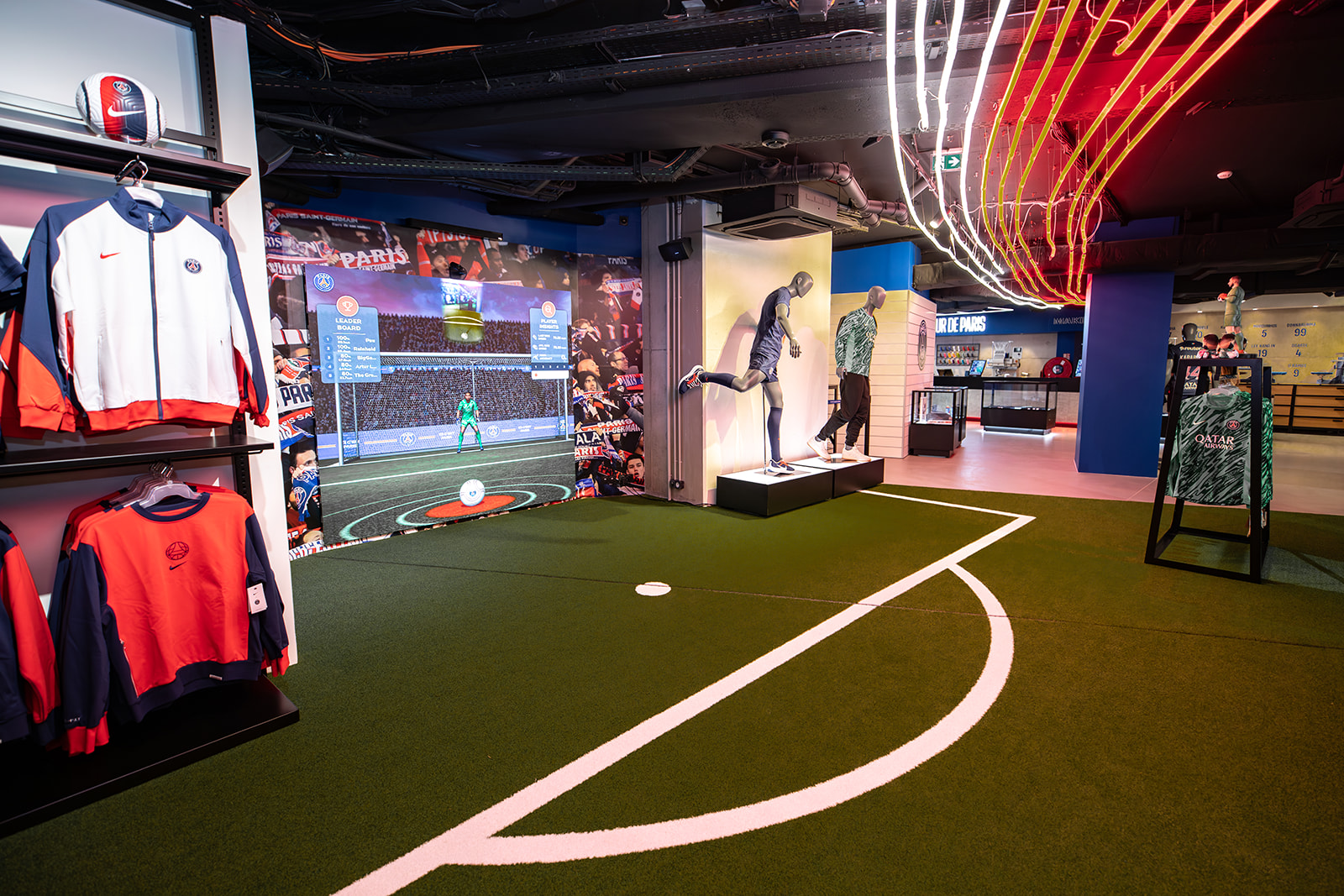
Some of the most interesting retail environments are creating connection without relying on technology at all. Cafés, treatment spaces, workshops and areas designed for conversation give people reasons to stay rather than simply transact.
These environments are also giving brands new settings in which to host conversations, launch products and create content, extending the value of the space well beyond the transaction.
Whether brands lean into digital tools or strip the experience back to something more analogue, the boundaries between sectors are becoming less rigid. A store can also be a meeting place, a place to learn, a wellness destination or a venue for a small event. Increasingly, shopping-centre visits are built around food, leisure and social time as much as the purchase itself.
This hospitality influence changes the brief. New uses bring different servicing and operational requirements, while spaces intended to encourage people to pause must remain comfortable, durable and straightforward to run after opening day.
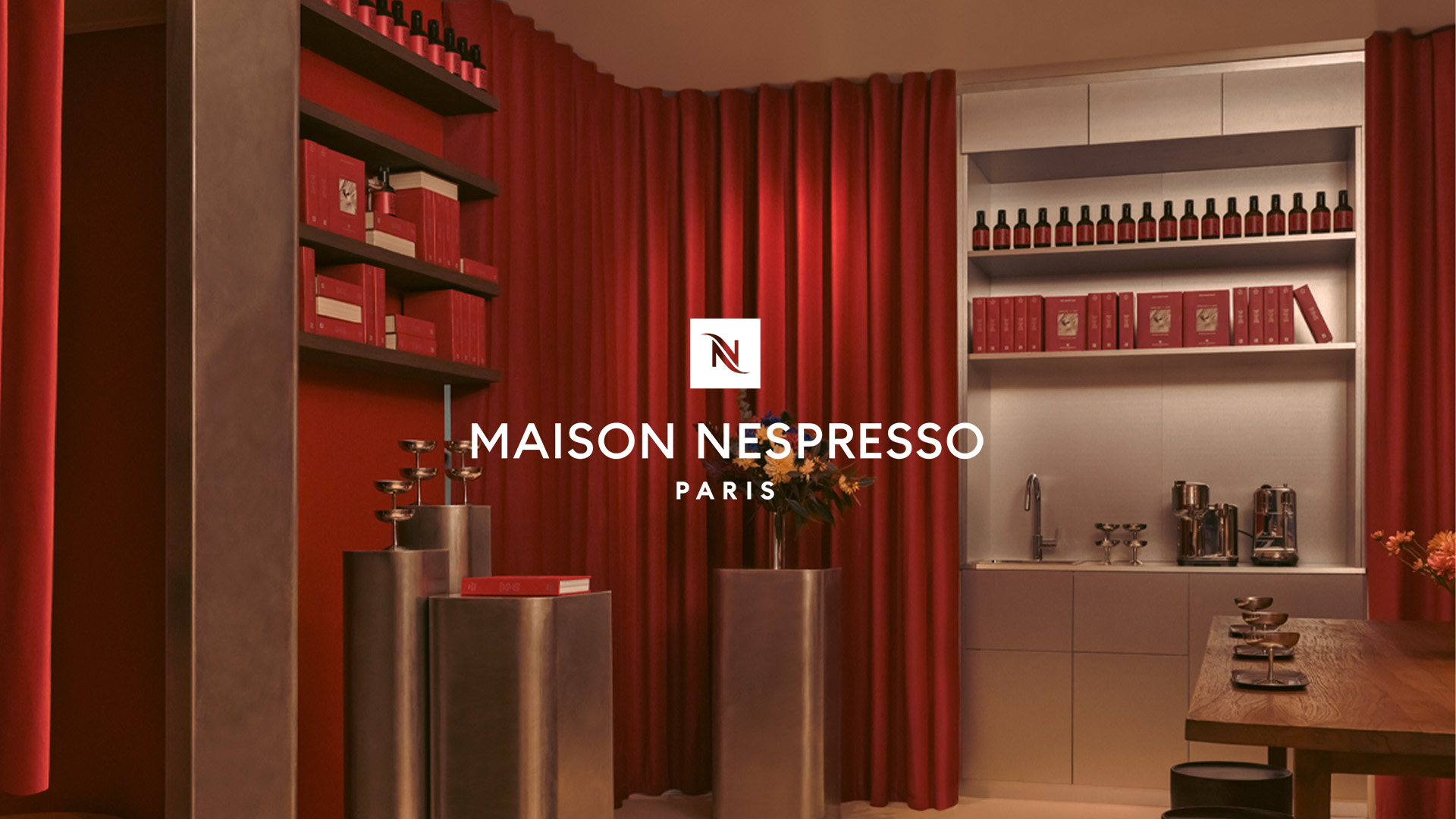
Perhaps the most powerful shift is the move from attracting an audience to building a community. Many brands are using bricks-and-mortar spaces to bring together people with a shared interest, giving the brand a meaningful role in that community rather than simply selling products to it.
Rapha’s Clubhouses are a clear example, with the brand describing them as meeting places for cyclists and fans of the sport, bringing together retail, cafés, rides and events. The product remains important, but it sits within a much wider relationship between the brand and the people who visit.
Not every retailer needs a membership programme or a full calendar of events, but every store should be clear about who it is for, what those people value and why they would return when the same purchase could be made online. 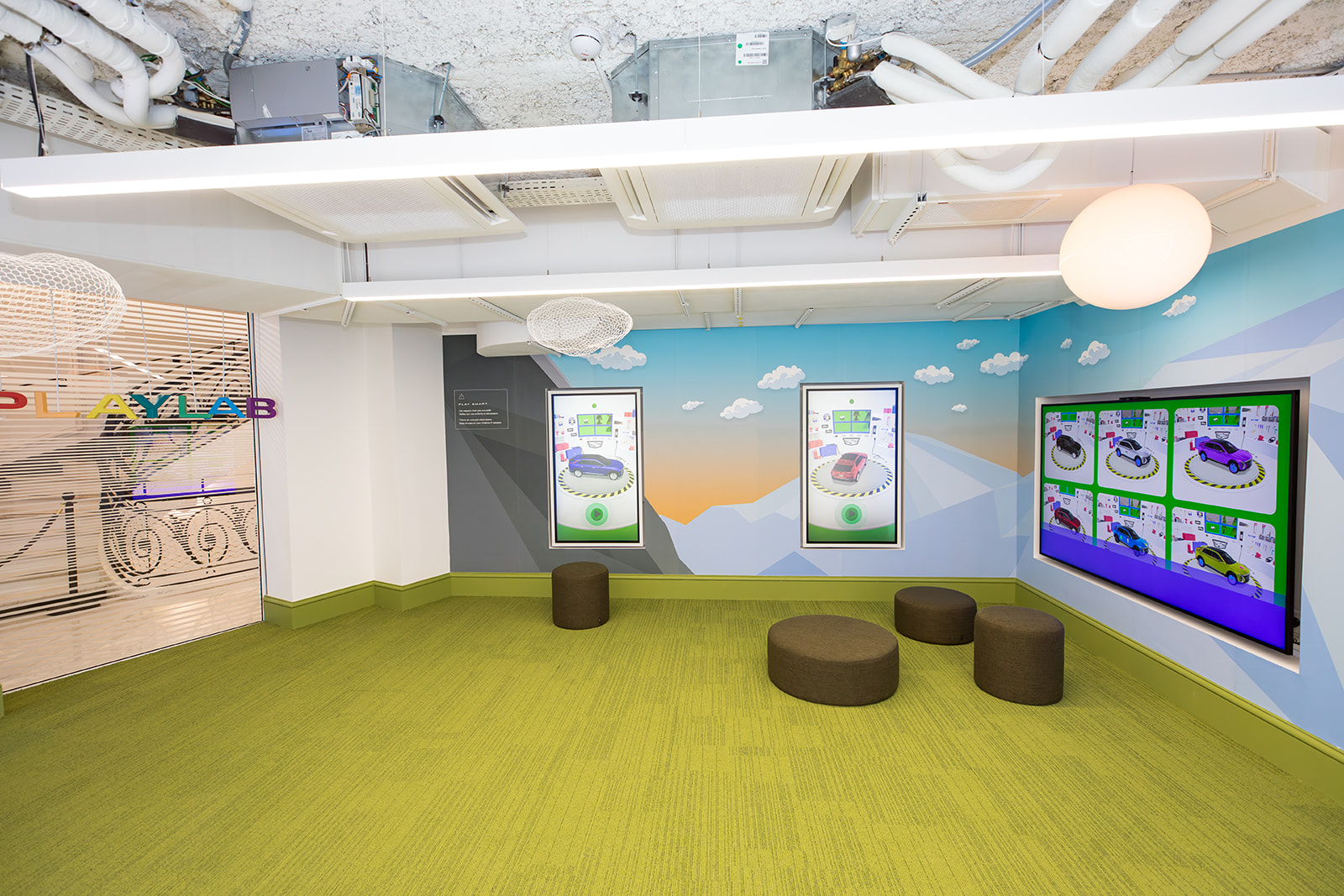
The store’s changing role also extends beyond the customer-facing experience. As physical and digital retail converge, each location becomes part of a wider network of stock, services and fulfilment.
A customer may discover a product online, check availability before travelling, collect an order, make a return or ask the in-store team to locate an item elsewhere. Together, these everyday activities are changing what retailers need from their physical estate.
Front-of-house experience still matters, but so does everything supporting it. Stock movement, storage, security, collection points, staff circulation, technology and the relationship between the shop floor and back-of-house areas all need to work together.
This does not mean every store needs to become a miniature distribution centre. It means the store can no longer be considered as an isolated point of sale when customers increasingly expect physical and digital channels to behave as one connected service.

As stores take on more roles, the fit-out brief inevitably becomes more complex. The challenge is not simply to accommodate each function, but to make sure they work together as one coherent environment.
Spain offers a useful view of where the industry is heading, but the shift is not confined to one market or type of brand. Across Europe, retailers are bringing experience, community, content and operations together within the same environment.
The future of physical retail will not be secured by adding features for their own sake. It depends on understanding what each store is there to achieve and protecting that purpose from the earliest brief through to opening day.
A website may still win on convenience. But when it is carefully considered and well delivered, a physical store can play a far richer role in how customers experience, understand and return to a brand.
careers@agilitesolutions.com
FR +33 (0) 1 88 61 81 31
UK+44 (0)7 506 403 069
IT +39 (0) 350 9646921
LUX +352 (0) 621 481 103
DE +49 30 2239 9548 83



"*" indicates required fields


